About Us
History
The mission of Kosovo Railways Infrastructure “INFRAKOS” J.S.C. is to operate Kosovo’s railway network, develop and maintain railway lines for operation, in accordance with European Union standards.
We aim to modernize Kosovo Railways Infrastructure “INFRAKOS” J.S.C. and make it more attractive in terms of the services we provide, based on European Union standards. Our objective is to be a leading provider of railway lines and other infrastructure services to all railway transport operators, both domestic and international, on an equal, transparent and non-discriminatory basis.
Furthermore, we aim to become the most attractive and efficient railway network provider in the Western Balkans region.
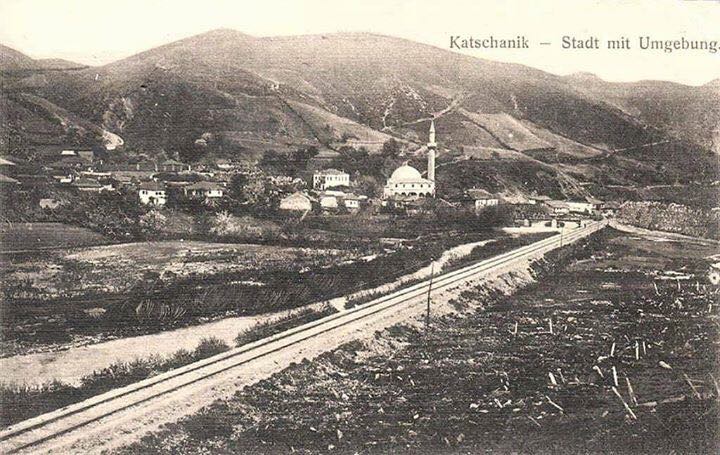
The history of railways in Kosovo dates back to 1874, when construction began on the railway line connecting Hani i Elezit – Fushë Kosovë – Mitrovica, marking an important milestone in the development of the country’s transport system and economy.
In the following years, the railway network gradually expanded: towards Leshak in 1931, Prishtina in 1934, Peja in 1936, Podujeva and Livadhi in 1949, and Prizren in 1963.
With this expansion, railways became one of the main pillars of transportation in Kosovo. The network comprised approximately 335 kilometres of open railway lines, over 105 kilometres of tracks within stations, and more than 103 kilometres of industrial railway lines, connecting Kosovo with neighbouring countries.
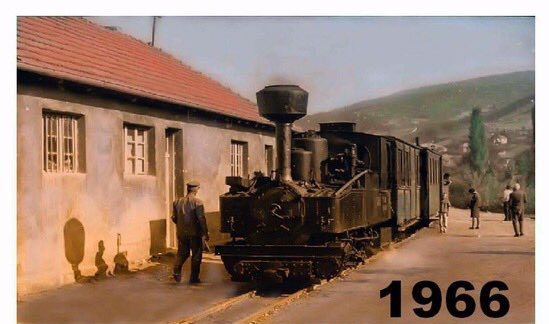
INFRAKOS strives to provide sustainable services, supported by the commitment and leadership of competent employees, the efficient maintenance and development of infrastructure, and the fulfilment of Kosovo’s expectations and needs.
INFRAKOS takes pride in the multi-ethnic composition of its workforce and customer base, as well as in having full access to its property.
INFRAKOS takes pride in the multi-ethnic composition of its workforce and customer base, as well as in having full access to its property.